

Labour Shortage Is Becoming a Thing of the Past
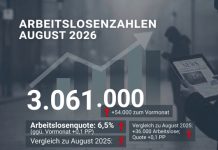
The times when companies were desperately searching for skilled workers and struggling to fill vacancies appear to be over for now. Within just one year, the number of open positions in Germany has declined by around 19 percent. Experts such as Anna Lüttgen from the magazine Capital therefore speak of a de facto end to the widespread labour shortage.
Reasons Behind the Decline in Job Vacancies
While more than two million vacancies were reported last year, demand for new employees has dropped significantly. Large companies are responding with extensive job cuts and more restrictive workforce planning. The Ifo Institute does not expect a rapid recovery in the labour market as long as current economic pressures continue.
These pressures mainly include:
- Geopolitical crises
- High energy costs
- Weak demand across many industries
As long as these factors persist, companies will remain cautious with new hires and carefully evaluate which positions truly need to be filled.
Technological Change Is Reshaping the Labour Market
Another major factor is technological progress, particularly the growing importance of artificial intelligence. Companies are adapting their HR strategies and no longer relying on traditional assumptions, such as expecting an automatic recovery after an economic downturn.
Instead, every vacancy is carefully analysed to determine which roles are most critical for value creation. Only these positions continue to be filled, while others remain vacant or are eliminated entirely. This results in a more selective and strategic approach to workforce planning.
Outlook for the Rest of the Year
The German labour market is facing a challenging year ahead. Employees and job seekers should be prepared for the fact that there are currently no quick improvements in sight and that competition for jobs is likely to remain intense. At the same time, technological transformation is creating new opportunities, but it also requires adaptability and continuous AI training and education, especially in the field of AI automation.
Conclusion: The labour market has shifted from being employee-driven to a more cautious and selective environment. Companies are responding to economic uncertainty and technological change with more restrictive hiring policies, creating a new reality for job seekers.
Source: Focus, Capital, Ifo Institute